
The easiest way to design Steel Joists for fabrication
K-SERIES
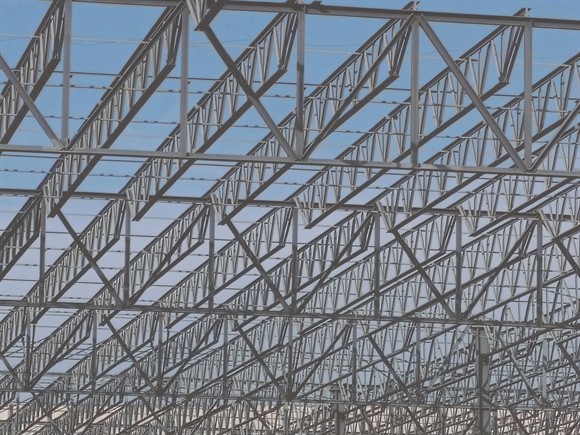
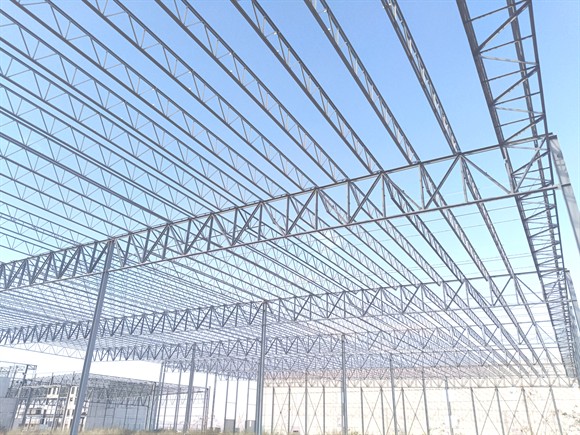
Open-web steel joists are defined as simply supported trusses, typically featuring parallel chords; they support loads uniformly distributed via the floor or roof steel deck, as well as point loads resulting from equipment support.
They are typically braced against lateral buckling by the steel deck itself, as well as by bridging angles installed between the joists.
Standard Key Specifications
The structural limitations and dimensional profiles of standard K-Series joists include:
KCS-SERIES
KCS-Series steel joists are a specialized variation of standard K-Series open web steel joists designed with constant moment and constant shear capacities across their entire length.
Unlike standard K-Series joists, which are optimized strictly for uniform loads, KCS (K-Series Constant Shear) joists provide the structural flexibility needed to support concentrated, non-uniform, or moving loads at unspecified or variable locations along the chords.
Primary Advantages